Arm Lift
Arm and thigh lift surgery corrects the sagging and loose-looking skin that develops particularly after weight loss. These operations give the arms and legs a firmer, smoother and more shapely appearance. Arm and thigh lifts define the contours of the body and increase self-confidence. Before surgery the patient’s skin quality and expectations are assessed in detail, so that the most suitable treatment plan can be drawn up. Performed by an experienced surgeon, these procedures give lasting, natural results. Following the surgeon’s advice during recovery is very important for a healthy, successful outcome.
What Is Arm Lift Surgery (Brachioplasty)?
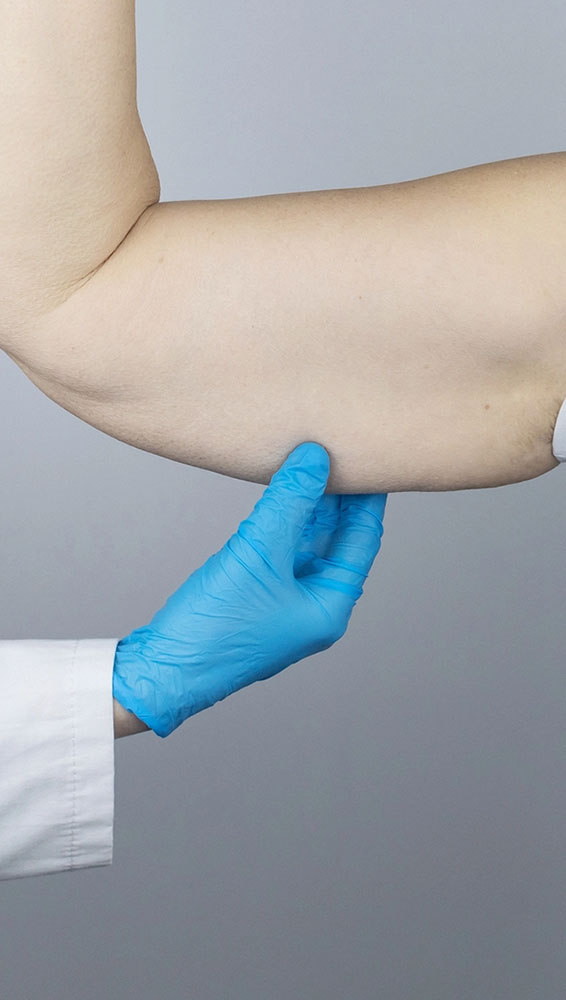
Arm lift surgery is known as “brachioplasty” and is a surgical procedure carried out to remove sagging in the upper arm. Over time, ageing, genetic factors or rapid weight loss can leave the skin of the arm loose and sagging. This is not only an aesthetic problem; it can also cause a loss of self-confidence, physical discomfort and difficulty in choosing clothes. An arm lift is performed to resolve these problems and give the patient firmer, younger, fitter-looking arms. During the operation excess skin is removed, fat tissue is taken away with liposuction if necessary, and the remaining skin is reshaped to correct the contour of the arm.
Why Is Arm Lift Surgery Performed?
The skin of the upper arm can lose its elasticity over time. The main causes include advancing age, a genetic tendency for the skin to sag, repeated cycles of weight gain and loss, and the rapid weight loss that follows treatment for obesity. Together these produce the loose, hanging skin under the arm known as “bat wings”.
This can affect body image and reduce confidence in social situations. Excess skin can also cause friction irritation, chafing rashes and hygiene problems. An arm lift removes these complaints and provides a healthier, more comfortable and more attractive appearance.
OPERATION TIME
2-5 Hours
RECOVERY TIME
5-7 Days
ACCOMMODATION
8 Days
What Are the Types of Arm Lift?
An arm lift can be performed with several different techniques. Which method is chosen depends on the condition of the patient’s skin, the amount of fat and the severity of the sagging.
Mini Arm Lift
Used where sagging is limited. Excess skin is removed from the underarm area through a short incision. The scar is smaller and recovery is faster.
Full Arm Lift
Preferred in cases of extensive sagging running from the elbow to the armpit. This technique requires a longer incision, but achieves a more dramatic result.
Liposuction-Assisted Arm Lift
Can be combined with liposuction in cases where there is excess fat but the skin is not severely lax. This creates a slimmer, better-defined arm line.
Reverse L Arm Lift
Used for advanced sagging that begins in the armpit, extends out to the side and affects the upper arm. The scar can be hidden in the armpit.
Who Is an Arm Lift Suitable For?
An arm lift is generally suitable for people with noticeable sagging and laxity in the arms. Those who have had bariatric surgery and lost a large amount of weight in a short time are ideal candidates for the operation.
People whose skin elasticity has declined, whose arm contour has changed and who cannot correct it with exercise can achieve the appearance they want with an arm lift. Suitability for surgery depends not only on appearance, however, but also on criteria such as general health, smoking, any tendency to bleed and the ability to follow the recovery process. Assessment by the surgeon is vital here.
What to Consider Before Arm Lift Surgery
The precautions taken before arm lift surgery matter greatly for both the success of the operation and a trouble-free recovery. As the day of surgery approaches, patients need to prepare physically and psychologically. All of the instructions given by the surgeon must be followed in full in order to prevent possible complications during and after the operation. Some changes to lifestyle habits may also be needed to get the maximum benefit from the surgery.
The main points to attend to before surgery:
- Patients who smoke are advised to stop at least 2-4 weeks beforehand.
- Blood thinners, herbal supplements and certain vitamins need to be discontinued.
- The fasting period before surgery must be observed (eating and drinking usually stop 6-8 hours beforehand).
- All of the instructions given by the surgeon must be followed exactly.
- Preparations such as routine blood tests, an ECG, a chest X-ray and an anaesthetic assessment must all be completed.
Arm Lift Surgery Prices
Arm lift surgery prices vary with the needs of the patient and the technique used. Rather than quoting a fixed fee, it is more useful to understand the factors that affect the price. These generally relate both to the complexity of the operation and to the healthcare facility chosen.
The main factors that affect the price:
- The experience and area of expertise of the operating surgeon,
- The city where the surgery takes place and the facilities of the hospital,
- The surgical technique used (mini arm lift, full arm lift, liposuction-assisted and so on),
- The use of general anaesthesia and the medical equipment required during the operation,
- Additional services such as post-operative care, follow-up appointments, medication and dressings.
Given these factors, and because an arm lift is planned individually, price information can best be given after an examination. When the long-term results of the surgery and its positive contribution to quality of life are taken into account, it is also more sensible to assess the cost after that examination.
Frequently Asked Questions About Arm Lift Surgery
Yes. Factors such as ageing and weight fluctuation can nevertheless lead to new sagging. A healthy lifestyle and regular exercise help the results last.
There is a scar where the incision is made, but the surgeon usually hides it on the inner side of the arm. The scar fades over time and can be made less noticeable with aesthetic treatments if needed.
There may be pain for the first few days, but with the painkillers prescribed this period is usually comfortable.
Those in desk jobs can return to work within 7-10 days. Work that involves more physical activity may require 3-4 weeks off.
No. Where there is excess fat, however, combining the two gives better aesthetic results.
Yes, a compression garment both reduces oedema and supports the new shape. It is generally recommended for 3-4 weeks.