
Facelift
Facelift surgery is an aesthetic surgical procedure performed to reduce the skin laxity, loss of elasticity and wrinkles that cause aesthetic concern. During the operation, loosened skin and muscle tissue are tightened, excess skin is removed and the facial contours are reshaped. Signs of ageing around the jawline, cheeks and neck in particular are corrected, giving the face a younger and more dynamic appearance. Because the patient's natural facial expressions are preserved, a fresher and livelier look is possible. Performed with modern surgical techniques, the procedure can be applied to individual areas of the face or approached as a whole.
What Is a Facelift?
A facelift, or rhytidectomy, is an aesthetic surgical procedure performed to reduce the effects of ageing on the skin and facial contours. Over time the skin loses its elasticity for many different reasons, the facial muscles slacken and sagging develops under the pull of gravity. The changes that appear around the jawline, cheeks and neck in particular can give a person a tired, downcast and older-looking expression. Aesthetic concerns such as a loss of definition in the facial contours, a dull complexion and deepening expression lines can also emerge with age. Facelift surgery corrects these effects. Loosened skin and muscle tissue are tightened, excess skin is removed and the facial contours are redefined. The result is a younger, more energetic and healthier facial appearance.
Facelift surgery is also valuable in helping people regain their self-confidence. By creating positive changes in social life and in self-perception, a facelift brings a person's outward appearance into closer alignment with how they feel inside. Advanced surgical techniques mean that facelifts today deliver more natural results and make it possible to achieve a youthful look without altering facial expression. Modern approaches carried out with minimal scarring in particular make the post-operative period more comfortable.
How Is a Facelift Performed?
Facelift surgery is usually performed under general anaesthesia. The procedure can take between 2 and 4 hours. Beforehand, a detailed examination is carried out, skin elasticity is assessed and a surgical plan is drawn up according to the individual's needs. The surgeon places the incisions within natural creases such as the hairline and in front of and behind the ear in order to keep them as inconspicuous as possible. Careful planning is an important step that affects both the aesthetic result and how discreet the scars will be after surgery.
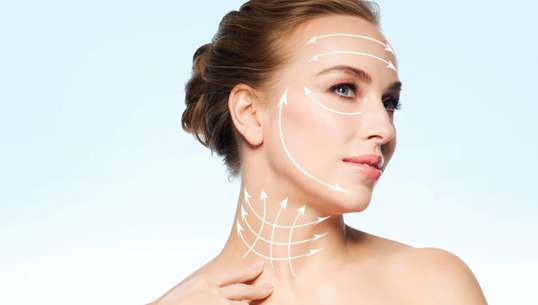
During the procedure the facial muscles are tightened, the tissues beneath the skin are reshaped and excess skin is removed. Where necessary, fat tissue is redistributed to balance facial volume. These steps rejuvenate the contour of the face. At the end of the operation the incisions are closed with fine aesthetic sutures and supported with facial dressings. A facelift can be applied to the lower, middle or upper part of the face separately, or performed as a comprehensive approach covering the whole face.
Facelift surgery can be carried out with different techniques. The classic facelift is a comprehensive method used where sagging is pronounced, allowing the deeper tissues to be addressed. The mini facelift is a less invasive option, preferred for early signs of ageing or mild sagging. The endoscopic facelift is a more modern technique, performed through small incisions with the aid of a camera and offering a shorter recovery time. Our expert and experienced team determines which type of facelift is most appropriate in line with the patient's facial anatomy and expectations, offering the most effective solution tailored to the individual.
OPERATION TIME
2-5 Hours
RECOVERY TIME
5-7 Days
ACCOMMODATION
8 Days
In Which Cases Is a Facelift Performed?
Facelift surgery is performed when the signs of ageing have become pronounced. It is particularly effective where the jawline has lost its definition, the cheeks have dropped and laxity has appeared in the neck area. A facelift may also be planned for excess skin following weight loss, sagging that appears at an early age because of genetic predisposition, or loss of elasticity caused by sun damage.
The aim of facelift surgery is to give the patient a younger, livelier and more dynamic appearance. At the same time, preserving the muscles of facial expression means the face does not lose its natural character. A facelift offers a long-lasting and effective solution where temporary options such as fillers or botox are no longer enough.
How Long Does Facelift Surgery Take?
The duration of facelift surgery varies with the extent of the procedure to be performed. The operation usually takes between 2 and 4 hours, and can take longer when additional procedures (such as a neck lift, eyelid surgery or fat injection) are carried out at the same time. Operating time is directly related to the surgeon's experience and the surgical technique used.
Pre-operative planning establishes which areas need treatment and sets out the surgical steps according to the overall structure of the face. Procedures that address limited areas, such as a mini facelift, are completed more quickly, while a full facelift may take a little longer. At our clinic the operating time is optimised around each person's needs so that the procedure is completed safely and comfortably.
What to Be Careful About Before Facelift Surgery
Facelift surgery requires careful preparation beforehand. The first stage is a detailed consultation. The patient's general health, current medication and any previous operations are reviewed. The surgeon then draws up the surgical plan according to criteria such as skin elasticity, facial muscle structure and the degree of sagging.
Smoking should stop at least two weeks before surgery, alcohol consumption should be reduced and blood-thinning medication should not be taken without the doctor's approval. Attention should be paid to nutrition, and the body prepared for the operation with supplements that support the immune system. Our doctor manages the pre-operative period meticulously, preparing patients both physically and psychologically for surgery.
Facelift Prices
Facelift prices vary according to the extent of the technique used for each individual patient, the surgeon's experience and the facilities of the centre where the operation takes place. A mini facelift, a full facelift or combined surgery with additional procedures may each call for a different budget. In every individually planned procedure, the surgical technique and the materials used are among the main factors affecting pricing.
What matters in facelift surgery is not only the cost, but the quality of the work and how long the results last. Through the detailed, individually tailored assessment process we offer, we identify aesthetic needs, create the surgical plan best suited to expectations and provide a safe operative process.
Frequently Asked Questions About Facelift Surgery
The main aim of facelift surgery is to reduce the signs of ageing while preserving the natural expression of the face. In procedures performed with modern surgical techniques, only the loosened tissues and sagging skin are addressed, without damaging the muscles of facial expression. The facial muscles therefore do not lose their function. In other words, expressions such as smiling, frowning and looking surprised are preserved.
For the first few weeks after surgery you may feel that your facial movement is temporarily restricted because of swelling and tightness. This is a natural part of the healing process, however, and eases with time. As the skin settles and the oedema subsides, your expressions return to normal. What a facelift aims for is not an expressionless face, but a fresher, healthier and more energetic appearance in which natural expression remains in harmony. In facelift surgery performed under our doctor's expertise, facial expression and each patient's individual pattern of movement are always taken into account, and a natural result is always the priority.
Some scarring after facelift surgery is unavoidable. Advanced surgical techniques, however, keep the scars as inconspicuous as possible. The incisions are usually hidden within natural creases such as the hairline and in front of and behind the ear. Because the skin tissue in these areas moves less, healing progresses more quickly and the scars fade over time.
The scars may be noticeable in the first weeks after surgery. With measures such as using suitable skincare products, avoiding smoking and protecting the area from the sun, they become largely invisible within a few months. In people with fair, elastic skin this process can be shorter. Following your surgeon's wound-care advice consistently helps the scars heal to a better aesthetic result.
After facelift surgery it is important to stay away from make-up until the skin has healed. No make-up products at all should be used during the first 10 days. This is because the suture lines have not yet healed and areas of the skin remain sensitive. Products containing chemicals applied to these areas can increase the risk of infection, slow the healing process or trigger scarring.
Once the skin has closed and the sutures have been removed, light make-up products can usually be used from the second week onwards. During this period, however, only hypoallergenic and fragrance-free products should be chosen. Foundation and concealer should not be applied directly over the incision lines. Sun protection in particular needs to be added to the daily routine.
Yes, direct sun exposure after facelift surgery is harmful. The sun's rays can damage skin tissue that has not yet healed and can make scars permanent. Protection from UV rays is extremely important, especially during the first 4 to 6 weeks. Because the skin is sensitive in this period, sun spots, redness and pigmentation problems can develop.
When going out in the sun is unavoidable, a high-factor sunscreen (SPF 50+) must be used and direct contact with the sun's rays avoided. Wide-brimmed hats, sunglasses and, where possible, accessories that shade the face should be chosen. Bear in mind that sun protection is a factor with a direct bearing on the aesthetic success of the surgery.
It is generally advisable to wait 3 to 4 weeks before using hair dye after facelift surgery. This is because most of the incisions lie in areas close to the hairline. If the tissue there comes into contact with products containing chemicals before it has fully healed, it can cause irritation or delayed healing. Dyes containing ammonia in particular can provoke unwanted reactions on sensitised skin.
Once the healing process is complete, you can return to colouring your hair with your doctor's approval. For the first application, choosing natural, plant-based or low-chemical products is safer for the health of the skin. It is also advisable to avoid pressing directly on the roots during the process and to wash the hair gently.