Rhinoplasty
Rhinoplasty, also known as nose reshaping surgery, is a surgical procedure performed to improve the shape and sometimes the function of the nose. It can be carried out both to resolve aesthetic concerns and to correct breathing problems. The operation involves reshaping the nasal bone, cartilage and soft tissue, giving the patient a natural appearance in harmony with their facial features. Rhinoplasty raises quality of life by increasing self-confidence.
What Is Rhinoplasty?
Rhinoplasty is a surgical procedure performed to change the shape, size or function of the nose. Chosen for both aesthetic and functional reasons, this operation gives the patient a nasal structure better suited to their facial features. It also plays an important role in correcting health problems such as congenital deformities, deformities following trauma and difficulty breathing. Thanks to modern surgical techniques, natural and functional results are achievable after rhinoplasty.
How Is Rhinoplasty Performed?
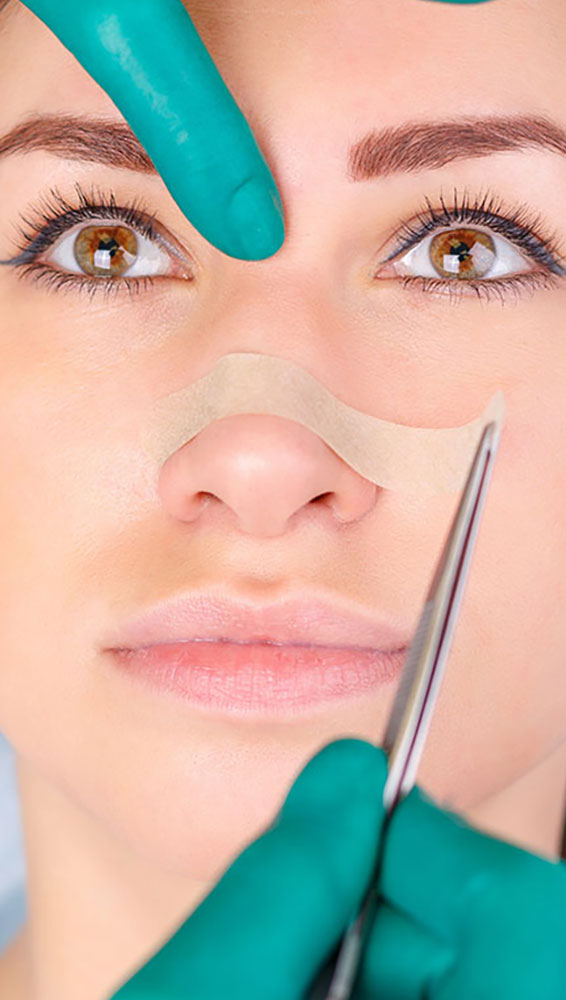
Rhinoplasty surgery is planned around the patient's needs and expectations. Usually performed under general anaesthesia, the operation takes an average of 1.5 to 3 hours. The surgeon begins either from inside the nose (closed technique) or through a small incision between the nostrils (open technique). The nasal bones, cartilage and soft tissues are rearranged into the desired shape. If the patient has difficulty breathing, the internal nasal wall (the septum) is corrected as well. At the end of the operation, silicone splints are placed inside the nose and a protective cast on the outside. This cast and the splints are usually removed within the first week after surgery.
OPERATION TIME
2-4 Hours
RECOVERY TIME
1-2 Weeks
ACCOMMODATION
7 Days
What Are the Types of Rhinoplasty?
Rhinoplasty is divided into different types according to the technique used and the aim of the surgery:
Open Rhinoplasty
A method carried out through a small incision between the nostrils, giving the surgeon a wider field of view.
Closed Rhinoplasty
A technique in which all incisions are made inside the nose, leaving no visible scar.
Functional Rhinoplasty
Performed in order to correct breathing problems.
Revision Rhinoplasty
Performed when the result of a previous nose operation is unsatisfactory or a complication has developed.
Ethnic Rhinoplasty
Specialised techniques are used to suit the patient's facial structure and ethnic background.
Who Is Suitable for Rhinoplasty?
Rhinoplasty is suitable for people who are unhappy with the shape of their nose, have difficulty breathing or have suffered nasal trauma. Ideal candidates for surgery are in good general health, have realistic expectations of the outcome and are psychologically ready for the process. Rhinoplasty is generally recommended after the age of 17 or 18, once development of the nose is complete. In certain special cases, however, surgery may be needed at an earlier age. Rhinoplasty is not recommended during pregnancy or breastfeeding. In addition, patients with a chronic illness or a bleeding disorder must be assessed in detail before surgery.
What to Be Careful About After Rhinoplasty
The recovery period after rhinoplasty is very important for the success of the surgery and the satisfaction of the patient. Mild pain, swelling and bruising may occur in the first few days after the operation; these usually subside within a few weeks. Keeping the head elevated as the doctor advises, applying cold compresses and taking prescribed medication regularly all speed up healing. Care should be taken to avoid any impact to the nose until the nasal cast and the splints have been removed. You should also stay away from strenuous exercise, hot showers and sunlight for a while. Smoking and alcohol are not advised, as they can have a negative effect on the healing process. Complete healing, with the nose taking its final shape, usually takes 6 to 12 months. It is important to be patient during this period and not to miss regular check-ups.
Rhinoplasty Prices
Rhinoplasty prices vary depending on many factors. The main elements affecting the price are the experience of the operating surgeon, the facilities of the hospital, the city where the surgery takes place, the technique to be used and the extent of the operation. More complex procedures such as revision rhinoplasty may also cost more than standard rhinoplasty. When researching prices, it is important to consider not only the cost but also the surgeon's experience, the standards of the hospital and the aftercare services provided. Remember that nose reshaping surgery is an important operation in both health and aesthetic terms, and that an expert surgeon should be chosen to obtain the best result.
Frequently Asked Questions About Rhinoplasty
Yes, thanks to the modern surgical techniques used today, the nose can take on a natural appearance in harmony with the facial features after rhinoplasty. The surgeon's experience, the patient's skin type and their expectations all play an important part in achieving this result. Detailed planning and communication before surgery are essential for a natural look.
In closed rhinoplasty all incisions are made inside the nose, so no scar is visible from the outside. In open rhinoplasty there is a small incision between the nostrils; this incision usually fades over time and goes unnoticed in most patients. The risk of a visible scar can vary with the surgeon's suturing technique and the patient's skin type.
In the first few days after surgery, temporary congestion may be experienced because of swelling inside the nose and the splints that have been placed. Once the splints are removed and the swelling subsides, breathing usually returns to normal. In the long term, when rhinoplasty is performed correctly there is no problem with nasal obstruction; existing obstruction can even be resolved.
Wearing glasses is not recommended for the first few weeks after surgery, because the nasal bone and tissues are still delicate. Glasses put pressure on the nose and can have a negative effect on healing. During this period it is advisable to wear contact lenses, or to fix your glasses so that they do not rest on the nose. Your doctor will let you know when you can start wearing glasses again.
Strenuous exercise and contact sports should be avoided for the first 3 to 4 weeks after rhinoplasty. Light walks are usually possible after a few days, but you need to stay away from any activity that risks a blow to the nose. Until you have healed completely, you should follow your doctor's advice, particularly for activities such as swimming, running and weightlifting.