
Thigh Lift
A thigh lift is an aesthetic surgical procedure performed to correct the sagging and loose skin that develops over time, particularly on the inner thigh. The operation gives the legs a firmer, smoother and more aesthetic appearance. Thigh lift surgery is usually chosen after major weight loss or because of ageing. Before surgery the patient’s skin quality and expectations are assessed in detail so that a personalised treatment plan can be drawn up. Performed by an experienced surgeon, a thigh lift helps the body’s contours look more proportionate and youthful while boosting the patient’s self-confidence. Following your surgeon’s advice during recovery is very important in achieving lasting, satisfying results.
What Is a Thigh Lift?
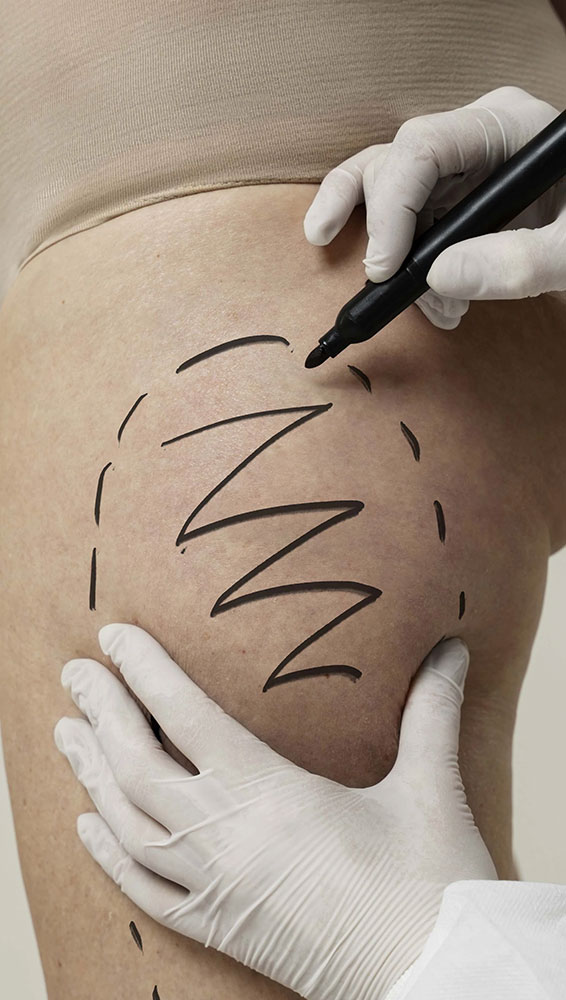
A thigh lift is a surgical procedure carried out to correct the skin sagging that develops, particularly on the inner thigh, through ageing, weight gain and loss, or genetic factors. During the operation the loose, sagging skin of the thigh is excised, excess fat tissue is removed if necessary, and a firmer, tighter leg profile is created. It is chosen above all where the inner thighs rub against each other, where the skin becomes irritated, or where the appearance itself is a source of discomfort.
A thigh lift serves both aesthetic expectations and functional comfort. It has a positive effect not only on appearance but also on freedom of movement. It removes the difficulties patients face when choosing clothes and boosts their self-confidence. It is usually performed under general anaesthesia and planned individually. The surgeon decides on the appropriate technique according to skin quality, the proportion of fat and the degree of sagging.
Why Is Thigh Lift Surgery Performed?
The thigh is one of those areas of the body that loses skin elasticity with age, slackens under the effect of gravity and is easily affected by changes in weight. This shows itself as excess skin, folding and sagging, especially on the inner thigh. As well as being aesthetically unappealing, this appearance can also affect personal comfort. Physically, the legs rubbing together can lead to problems such as irritation and sweating.
Thigh lift surgery is chosen for the following reasons:
- To eliminate skin sagging: Skin stretched and slackened by age, childbirth or weight loss can be tightened with surgery.
- To achieve a more aesthetic leg contour: The inner line of the legs is reshaped for a firm, smooth appearance.
- To remove excess skin and fat tissue that diet and exercise cannot correct: Sagging skin does not tighten with muscle training. At that point surgery is the only solution.
- To provide physical comfort: It eliminates problems such as chafing while walking, skin irritation and rashes.
- To improve comfort in clothing: The discomfort felt when wearing tight trousers, skirts or swimwear is reduced.
- Psychological benefit: It has a positive effect on body image and raises self-confidence.
This procedure is not purely aesthetic; it is an intervention aimed at improving quality of life. In patients who have lost a great deal of weight in particular, it can be performed as part of combined body-contouring surgery.
OPERATION TIME
2-5 Hours
RECOVERY TIME
5-7 Days
ACCOMMODATION
8 Days
What Are the Types of Thigh Lift Surgery?
Thigh lift surgery can be performed with different techniques according to the degree of sagging in the thigh, skin quality, the amount of fat tissue and the patient’s overall build. The surgeon determines the most suitable method for each individual after a detailed examination.
Vertical Thigh Lift
Preferred where there is a greater amount of excess skin and sagging extends from the inner thigh down to above the knee. In this technique the incision starts at the groin and runs vertically along the inner leg. It is effective in more advanced cases. The scar, however, is more noticeable.
Combined Thigh Lift (Liposuction-Assisted)
Where there is both excess fat tissue and excess skin, the lift is combined with liposuction. Removing the fat defines the thigh contour more clearly and supports the skin-tightening part of the procedure. Fat removal and skin excision are carried out in the same session.
Each method can leave a different degree of scarring. These scars fade over time and can be helped along with special scar creams. Your surgeon will determine the ideal technique according to your expectations, your skin quality and your daily habits.
Who Is Thigh Lift Surgery Suitable For?
Thigh lift surgery is suitable for people who want firming and contour correction in the thigh area for aesthetic and functional reasons. It is not, however, recommended for everyone. Candidates must be assessed with their fitness for surgery, their expectations and their ability to comply with recovery all taken into account.
The following people are ideal candidates for thigh lift surgery:
- Those left with excess skin after major weight loss: This is common in people who have lost their excess weight after bariatric surgery or through dieting.
- Middle-aged and older people who have lost skin elasticity: Skin slackens with age and sagging becomes more pronounced.
- Those who cannot achieve firmness on the inner thigh despite diet and exercise: Where excess skin persists in spite of physical activity, a surgical solution is the effective one.
- People with aesthetic concerns who feel a loss of self-confidence: It is a suitable method for anyone who wants shape and symmetry in the leg area.
- Those in good general health: People with no serious systemic disease that would rule out surgery can be candidates for the operation.
- Those able to follow the post-operative process and comply with the recommendations: Wearing the compression garment, caring for the wounds and keeping to the check-ups all matter.
On the other hand, the procedure may be postponed or considered unsuitable for anyone with an active skin infection, uncontrolled diabetes, a blood-clotting disorder, or plans to become pregnant.
Does Thigh Lift Surgery Leave Scars?
Yes; as with every surgical procedure, thigh lift surgery leaves scars. These scars are generally planned so that they can be concealed in the inner thigh crease or the groin. Vertical incisions are more visible, but they too fade with time. How visible a scar remains can vary with your individual skin type, the way you heal and how you care for it. Regular dressings, scar creams and sun protection can keep scarring to a minimum.
What to Pay Attention to After a Thigh Lift:
- The position of your legs matters: During the first few days the legs should be kept above heart level when lying down, which helps the oedema to subside.
- Take the rest period seriously: Physical activity should be limited throughout the first week, and movements that put strain on the legs in particular should be avoided.
- Do not neglect the compression garment: The special compression garments your surgeon recommends should be worn consistently for 4–6 weeks. This helps the swelling to subside and the skin to take on its new shape.
- Wound care must be meticulous: The suture lines should be kept clean, and dressings and medication applied without interruption. To reduce the risk of infection, your surgeon’s instructions must be followed in full.
- Swelling and bruising are normal: They usually resolve on their own within a few weeks. Cold compresses and a period of rest help to ease these symptoms.
- Attend your check-ups regularly: The periodic check-ups your surgeon schedules are very important for monitoring healing and detecting any possible risks early.
- Time to full recovery: This averages between 6–8 weeks. Be patient during this period, and obtain your surgeon’s approval before returning to strenuous sport.
Frequently Asked Questions About Thigh Lift Surgery (FAQ)
Yes; the aesthetic result achieved with this surgery lasts for many years. Factors such as skin ageing, sudden weight changes or regaining weight can, however, cause mild sagging over time. Staying at your ideal weight and maintaining healthy lifestyle habits is therefore important.
Mild to moderate pain, tightness and tenderness may be felt during the first few days. This is normal and can usually be brought under control with prescribed painkillers. The pain eases quickly as the oedema subsides.
Patients can generally start walking gently from the day after surgery. For long walks, climbing stairs and brisk exercise, however, it is advisable to wait 2–3 weeks. Returning to full-intensity activity requires at least 4–6 weeks.
The scars may be red to pink during the first few months. They generally become less noticeable from the third month onwards, and within 6–12 months they blend in much better with your skin tone. Scar creams, silicone tapes and sun protection can speed up this process.
Yes, the two procedures are often combined. Liposuction removes the excess fat tissue while the lift tightens the sagging skin. This combination makes it possible to achieve a firmer, better-balanced thigh contour. Your surgeon will determine the most appropriate method for your particular situation.